Cambodian Cultureវប្បធម៌ខ្មែរ
Discover Cambodia’s festivals, history, religion, arts, food and etiquette, and experience the charm of Khmer culture.
Six themes
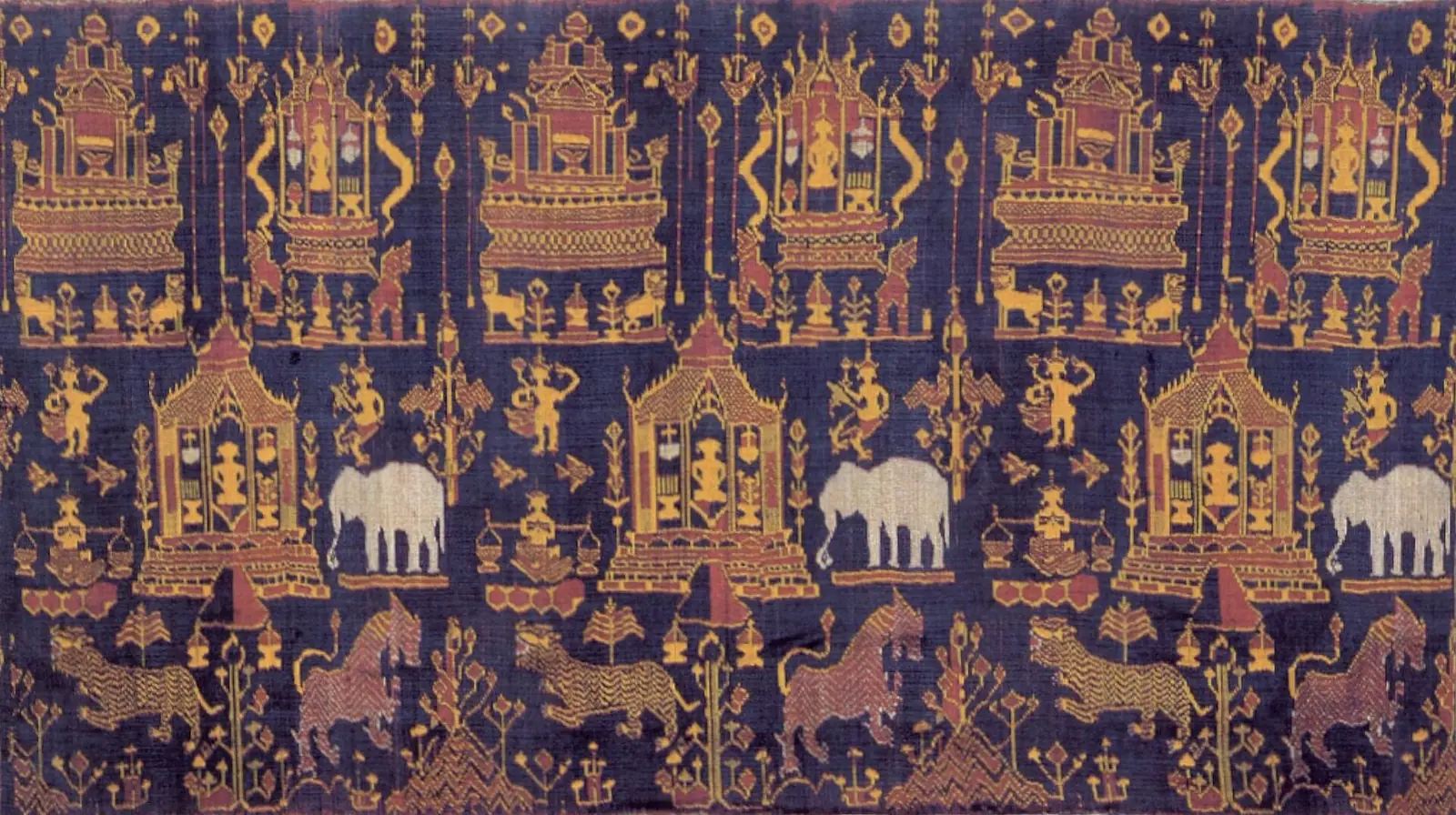
 Historyប្រវត្តិសាស្ត្រAngkor Wat was commissioned by King Suryavarman II; Zhou Daguan reached Angkor in 1296 and wrote A Record of Cambodia.Read 1 article
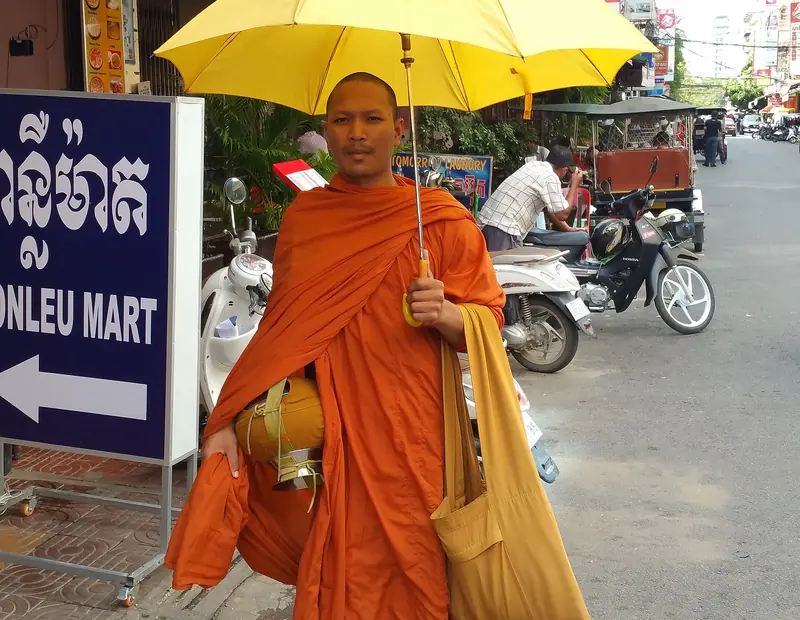
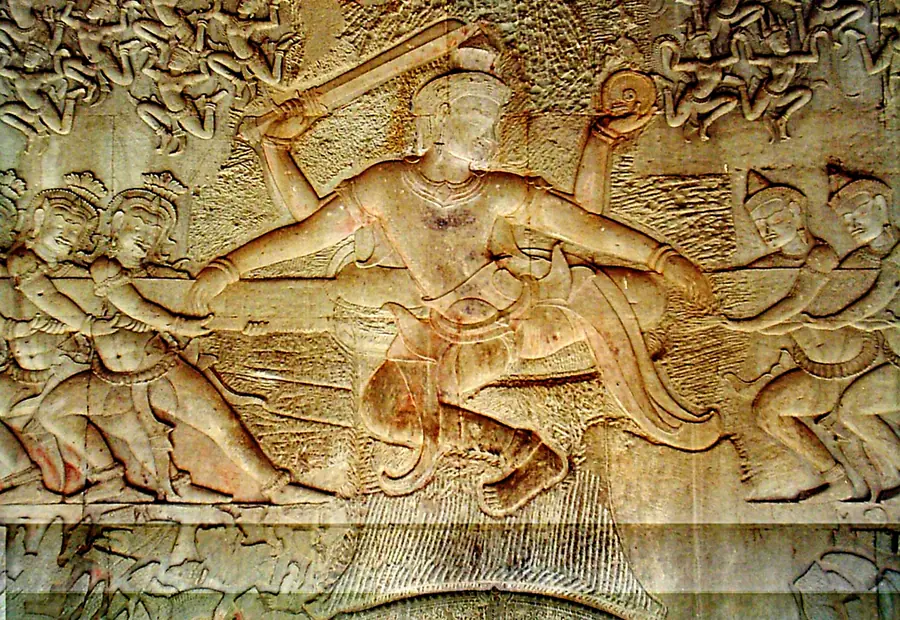 ReligionសាសនាAbout 93% of Cambodians are Buddhist and Buddhism is the state religion; many also honour Neak Ta, guardian spirits of a place.Read 1 article
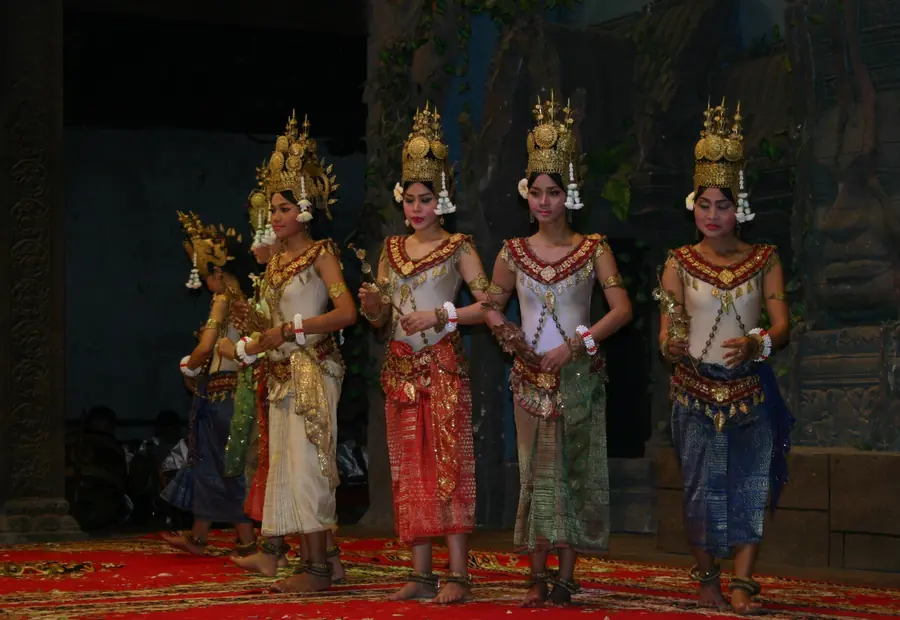
 Artsសិល្បៈSeven Cambodian elements are on UNESCO’s intangible cultural heritage lists, including the Royal Ballet and Sbek Thom shadow theatre.Read 1 article
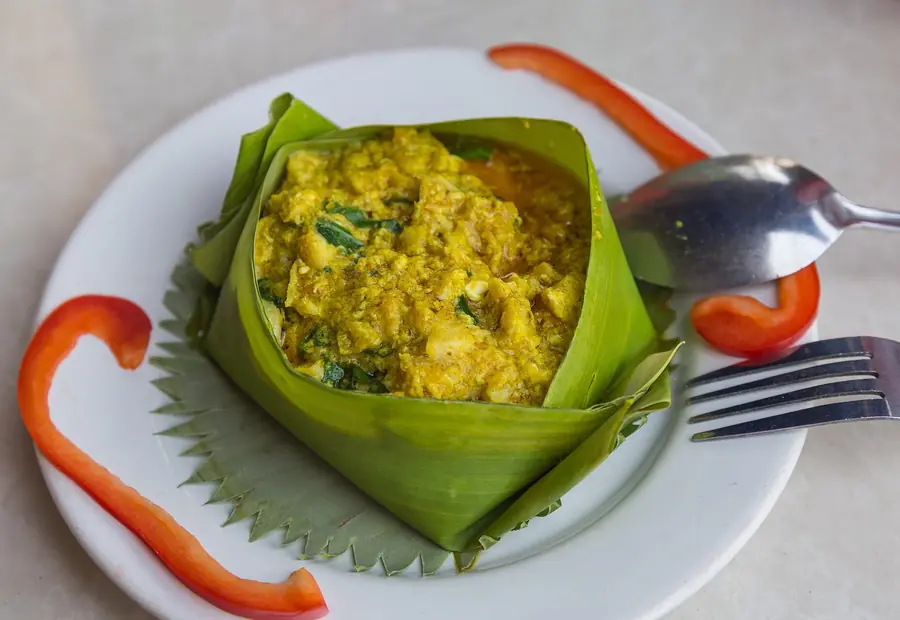
 Foodម្ហូបRice is eaten at almost every meal and Cambodia has some 2,000 native rice varieties; the fermented fish paste prahok seasons nearly every Khmer dish.Read 1 article
Festival calendar
Most Cambodian festivals follow the Khmer lunar calendar, so their dates move every year. Dates below follow the government’s public holiday sub-decrees.
- 14–16 AprilKhmer New Yearចូលឆ្នាំថ្មី
Three public holidays under Sub-decree 167. The Ministry of Culture and Fine Arts calls 2026 the Year of the Horse, Buddhist Era 2570.
- 1 MayVisak Bochea (Buddha’s birth)វិសាខបូជា
In 2026 it falls on the same day as International Labour Day.
- 5 MayRoyal Ploughing Ceremonyព្រះរាជពិធីច្រត់ព្រះនង្គ័ល
Held on the fourth day of the waning moon in the sixth Khmer lunar month; one public holiday.
- 10–12 OctoberPchum Benភ្ជុំបិណ្ឌ
A 15-day observance whose last three days are public holidays, held at the end of the Buddhist rains retreat; families bring food to the pagoda before dawn.
- 9 NovemberIndependence Dayទិវាឯករាជ្យជាតិ
Marks independence from France on 9 November 1953.
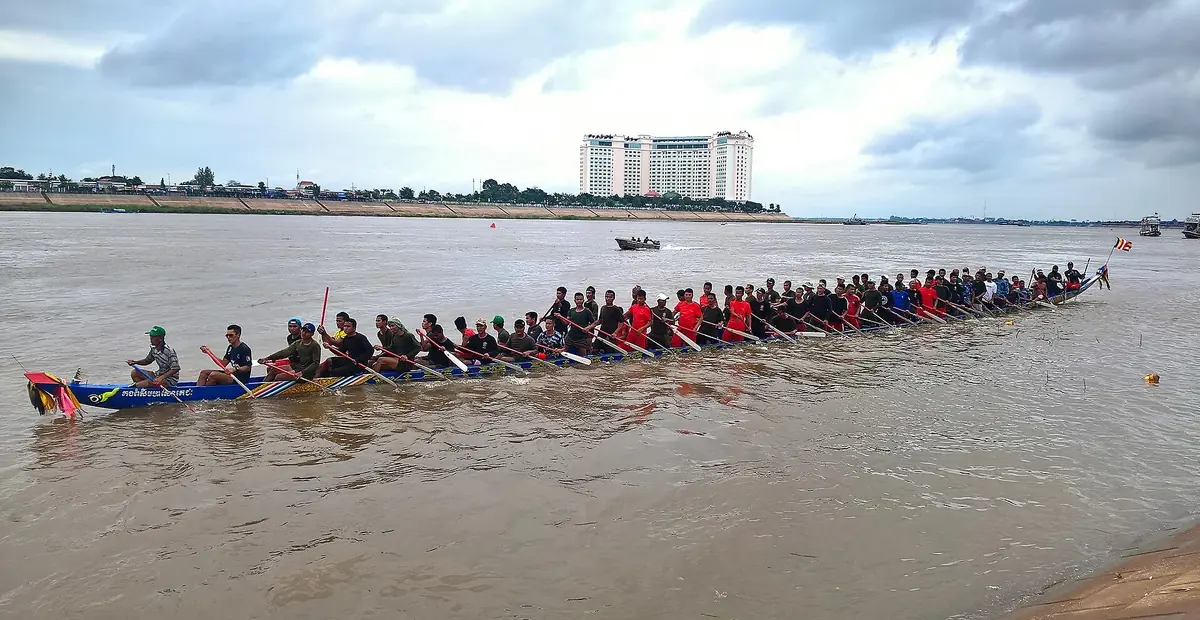
- 23–25 NovemberWater Festival (Bon Om Touk)បុណ្យអុំទូក
Held around the full moon. In 2026 the main celebration in front of the Royal Palace in Phnom Penh is suspended; the three public holidays remain and provinces may hold their own events.
- Apr (date to be announced)Khmer New Yearចូលឆ្នាំថ្មី
Three days in April; exact dates per the full 2027 public holiday sub-decree.
- 29 September – 1 OctoberPchum Benភ្ជុំបិណ្ឌ
Eleven days earlier than in 2026.
- 9 NovemberIndependence Dayទិវាឯករាជ្យជាតិ
9 November every year.
- 12–14 NovemberWater Festival (Bon Om Touk)បុណ្យអុំទូក
Eleven days earlier than in 2026.
Other 2027 dates follow the full text of the 2027 public holiday sub-decree.
A thread through history
Years from Angkor to independence that still leave visible traces today.
- 1113–c. 1150
Reign of King Suryavarman II, who commissioned Angkor Wat as a state temple to Vishnu; it later became a Buddhist temple.
- 1296–1297
Zhou Daguan of the Yuan court stays about a year at Angkor and later writes A Record of Cambodia, describing its markets, calendar and festivals.
- c. 1434
After the fall of Angkor, King Ponhea Yat moves the capital to Phnom Penh, “the city of four faces” (sources differ; some give 1432).
- 1863
France begins its control of Cambodia; Angkor Wat already appears on the first national flag that year.
- 1953
Independence from France on 9 November, the origin of today’s Independence Day.
- 1992
The Angkor site is inscribed on UNESCO’s World Heritage List.
Latest articles
- Cambodian Food: 8 Khmer Dishes to Try, from Prahok to Kampot Pepper (2026)Cambodian food is built on rice and fish, and most dishes are seasoned with prahok fish paste or kroeung spice paste. This guide starts with…Read →
- Cambodian Traditional Arts: All 7 UNESCO Intangible Heritage Elements Explained (2026)Cambodia has seven elements on UNESCO’s intangible cultural heritage lists: the Royal Ballet, Sbek Thom shadow theatre, tugging rituals and …Read →
- Religion in Cambodia: Buddhism, Islam and Beliefs by Province, with Temple Etiquette (2026)Cambodia’s National Institute of Statistics found in 2024 that about 96.5% of the population is Buddhist and 2.6% Muslim, and Article 43 of …Read →
- Angkor Wat and Zhou Daguan: The Only Surviving Eyewitness Account of Daily Life in the Khmer EmpireZhou Daguan, a Yuan-dynasty envoy from Wenzhou, reached Angkor in August 1296 and left in July 1297. His book, known in English as A Record …Read →
- Cambodia Water Festival 2026 (Bon Om Touk): Dates, Origins, Traditions and Phnom Penh PlansCambodia’s Water Festival (Bon Om Touk) runs from 23 to 25 November 2026, three public holidays, while Phnom Penh’s main celebration is susp…Read →
Svay Rieng and Bavet
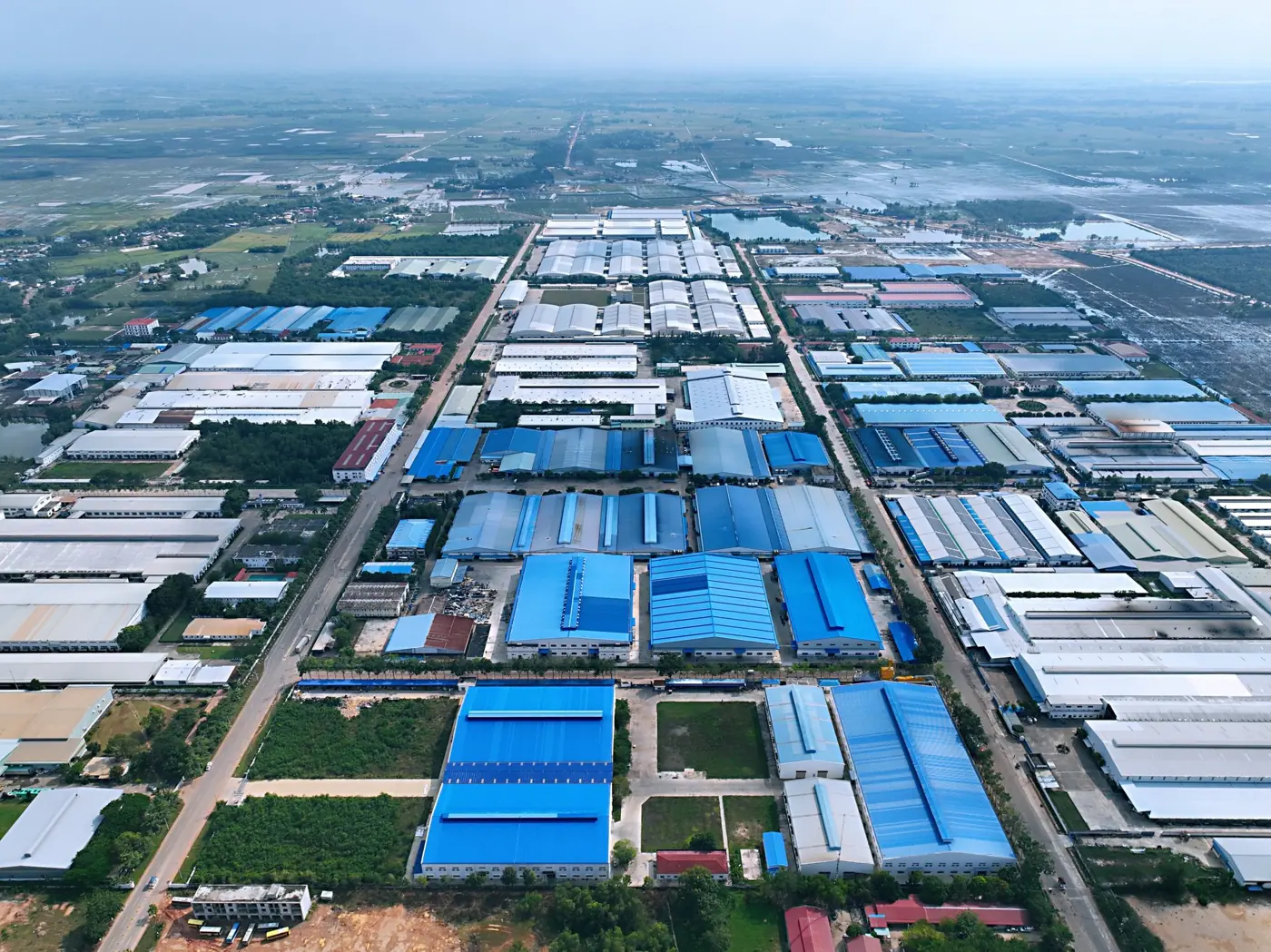
Manhattan Special Economic Zone is in Bavet City, Svay Rieng Province, about 6 km from the Bavet–Moc Bai international checkpoint.
- Land of mangoes
Svay means “mango” in Khmer, and many villages, communes and pagodas in the province carry the word.
- 2,966 km²
The area of Svay Rieng Province; the 2019 census counted 525,497 people, about 99.8% of them Buddhist.
- A city since 2008
Bavet was upgraded from commune to city in 2008 and is now the province’s largest city, with 43,783 people in the 2019 census.
- Border gateway
Across the Bavet checkpoint lies Moc Bai in Vietnam’s Tay Ninh Province, one of the busiest crossings between the two countries.