

What is Apparel Manufacturing
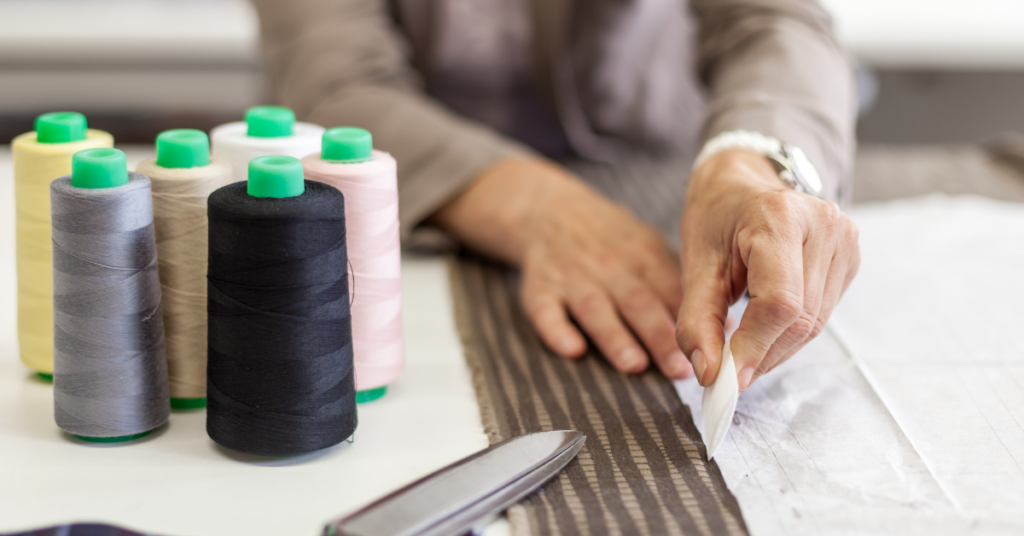
The apparel manufacturing business refers to the process of designing and producing apparel products, including raw material sourcing, cutting, sewing, processing, quality control, and delivery and distribution of the final product. The industry encompasses a wide range of sizes and shapes, from factories to handmade workshops. Apparel manufacturing operations may include the production of fashion apparel, sportswear, workwear, accessories, and other types of apparel products. The industry requires in-depth knowledge of fashion trends, material technology, production processes and market demand, as well as effective supply chain management and quality control capabilities. Through creative design and efficient production, the apparel manufacturing business can achieve product diversity and customer satisfaction, while bringing value and employment opportunities to the entire fashion industry chain.
10 Steps to Successfully Entering the Apparel Manufacturing Business
Now that you have some knowledge of the apparel manufacturing business, let’s explore how to get started in that area.
I. In-depth study of the industry
Before entering the apparel manufacturing industry, it’s a good idea to do a thorough research. Learn about the different business models used by successful apparel manufacturers and stay on top of industry trends. The apparel industry is relatively stable in terms of people’s demand for clothing. However, fashion trends change quite rapidly, especially with the influence of social media. For example, sales of homewear have increased dramatically in 2020 as people are forced to stay at home and keep a social distance. Dyeing techniques have also become an important trend over the past few years, as people like to experiment with bold looks that don’t have to be shown in public.

These shifts in trends won’t be a problem as long as you’re prepared to deal with them. Demand for popular items can rise and fall quickly, so it’s time to learn how to build your supply chain accordingly.
II. Selection of niche markets
There are a number of niches to choose from in the field of apparel manufacturing. Let us explore some of the different types of garments that can be produced.
- shoes
- sportswear
- swimwear
- professional clothes
- accessory
- formal dress
- undergarments
You have the opportunity to produce a wide variety of clothing styles, even in markets with different characteristics. Basic styles include shirts, pants, shorts, skirts, dresses and socks. Because these clothing styles are indispensable, they can fulfill the needs of different customers.

III. Clearly defined target clientele
Identifying a target audience that you can effectively serve is critical to a successful apparel manufacturing business. As we mentioned earlier, you can sell to consumers or retailers, with the most common way being to retailers. If you are targeting retailers, you will need to segment further based on the consumers they serve. If your apparel side is skewed towards women, then you would focus on selling to retailers for women’s apparel. Also, the geographic location of these retailers needs to be determined. Are you looking to sell to local stores or retailers that sell clothing globally?

At the same time, you need to think about the price positioning of your products to narrow down your target audience even further. Are your apparel products in the affordable, luxury or mid-price range?
In addition, where are your ideal customers looking for a clothing manufacturer? How many orders do they typically place? And do they have a demand for customized clothing? Do they value sustainability and fair trade, and are they in favor of practices that reduce production costs?
Having a clear understanding of your target audience will help you take the next step forward. Clearly defining these segments from the start will help you make more targeted decisions as you build your business.
IV. Defining the value proposition
We mentioned earlier that the fashion industry is quite rich in size. This means that there are likely to be many companies that cater to the same target audience as you and produce similar garments. Considering that you may face direct and indirect competitors, you need to have a unique selling point or value proposition that sets you apart. This doesn’t mean you have to be better than your competitors. It just means you need to offer different value. Because you are working with a team of people with unique skills, it is almost impossible to operate in the same way as your competitors. Identify your differentiation strategy and use it to win over potential buyers. Your value proposition can be related to the quality of your product or service, or it can be about order fulfillment or delivery time commitments. Just be clear about what you can do to provide a unique experience that benefits your customers and execute consistently.

V. Conducting budget planning
Starting a garment manufacturing business requires a lot of capital investment as the production process requires a lot of equipment and resources. Therefore, it is important to create a budget to determine how much money you will need to start your business, and the following factors need to be taken into consideration when creating a budget:
- Ensuring legality (business licenses, insurance and their related costs)
- Storage space (lease or purchase option)
- Human resources (marketing team, accounting and sales team, managers, etc.)
- Equipment & Tools
- Marketing & Advertising
- Raw materials (fabric, thread, buttons, zippers, etc.)

Add up the total start-up costs and figure out what it will cost to maintain these operations to reach your target output. Determine how much you will need to invest in the business and determine how much financial support you may need to maintain the operations to break even.
Be generous with any estimates, as it is better to have enough capital to begin with than not enough. All of these messages come in handy when developing a business plan.
VI. Conducting business planning
Once you have a clear understanding of the overall direction of your business, you should begin to develop a business plan. This plan will serve as your guide as your business grows. The business plan should include the following:
- How the company will be constructed
- mission statement
- Provide product summaries
- Where is the factory located?
- financing scheme
- Financial projections
- market analysis
- Necessary and Legal Documentation Support

A business plan can be as casual as you want it to be, especially in the first draft. There is no need to worry about formatting it correctly until you have put your business plan together to make a funding proposal.
If you are trying to get funding, add a section to your business plan that covers your funding request. Include how much funding is needed and how it will be used.
VII. Building trusted teams
Starting with a solid team is the key to begin building a sustainable business. A team that is professional, motivated, trustworthy and technically excellent needs to be set up. Your team should not only have experience in running a business, but at least some of its members should have entrepreneurial experience. Because getting a business off the ground is much more difficult than keeping a thriving business running. You should look for people with experience in accounting, marketing, advertising, sales, purchasing and customer relations. Experience in logistics or industrial engineering is also important since a factory will be opened. In addition, designers and specialists are needed to create prototypes of garments. Having a team with different experiences allows you to assign different tasks to the people who are best at handling them.

VIII. Conducting sales planning
The next step is to create a sales plan. The purpose of the sales plan is to describe how you will optimize the sales process, shorten the sales cycle, and ultimately get more customers.
Your sales plan should include the following: revenue goals for a specific period of time, current industry and market information, ways to optimize team performance, strategies for effective use of resources, use of technology, assignment of responsibility, and how to evaluate success.
Here are some questions to think about as you learn how to optimize your processes:
- What problem is being solved for your client?
- How do you generate leads?
- How do you present your products to potential customers?
- What benefits are available to close the deal?

The goal here is to document the buyer’s journey from lead to order submission. Will help you establish standards for sales reps to follow and create a consistent customer experience.
IX. Establishment of factories
Next comes the time to set up the factory. A suitable location needs to be carefully selected and proper arrangements made for the construction of the factory. Rural areas usually have lower real estate costs and cost of living, making it a more desirable option. It helps to save the cost of construction of the factory and to have access to lower-cost labor. Order the necessary equipment and configure the factory space according to an optimal and efficient layout. If you don’t have the right professionals on your team, you may need to hire an industrial engineer to provide consultation and assist you with setup and operational planning. An expert will assist you in optimizing your business operations, saving you time and money.

X. Displaying products online
Once you are ready to start production, you can showcase your products online. Nowadays, many wholesalers and manufacturers successfully display their products on B2B e-commerce platforms such as Alibaba.

Listing products on online platforms attracts retailers and corporate buyers, expands export business and connects with serious B2B buyers. Use professional photos and movies to showcase your products, and use photos of models to be more attractive. Optimize the title and description of your product listings, use keywords to increase visibility and clearly communicate the value and benefits of your products to attract the interest of more buyers.
Successfully selling clothing on the Alibaba platform: a compelling case study
Italian clothing manufacturer Nichol initially supplied men’s and baby shirts to the local market, but found that demand exceeded the local market and began listing its products on the Alibaba platform in 2013, engaging with buyers from around the world. It now receives about a dozen inquiries a day, with an average order size of 500 to 1,000 pieces, and plans to continue expanding its business through Alibaba. Nichol finds the Alibaba platform incredibly easy to use and incredibly satisfying, and will continue to utilize the platform to grow his business globally.
Possible challenges for apparel manufacturing
High and expensive start-up costs
The cost of setting up a factory is quite high. Manufacturing garments requires a number of different machines that require a lot of space. The startup costs are a major challenge for many people who want to establish a clothing manufacturing business.
competitive industry
Many apparel manufacturers produce similar products, as acting quickly to respond to the emergence of new trends is quite important to stay ahead of the curve. It helps your business to gain an edge over the competition and stand out.
If you are able to produce these products while the clothing is still popular, rather than sacrificing quality for speed, your business will be in good shape. This will enable you to meet market demands and build a loyal customer base.
unpredictability
We briefly touched on this point that changing fashions can quickly disrupt normal production as manufacturers make quick decisions to catch up with trends. Making quick business decisions is high risk, but it can also be high reward.
Sometimes producing a popular item quickly can make you a lot of money. But from time to time it can lead to overproduction, resulting in a large inventory buildup. This situation can cost you, but again it’s a risk you have to be willing to take.
Minimum worker responsibilities
No matter what kind of corporate culture is created, creating an environment where work is enjoyable in a factory is a challenging task. Due to low wages, workers usually just do what they are told and lack the motivation to go above and beyond the call of duty.
If there is a problem in the production process, workers cannot be expected to take the initiative to point it out or come up with a solution to fix it. This is not part of their job duties.
Rapid pace of development
Artificial Intelligence (AI) has improved processes in many industries and is gradually making its way into the fashion industry. For leaders in this industry, staying on top of the latest technology trends is key to taking on competitors.
This is not for first-time entrepreneurs, which may pose a certain challenge, but for startups, adopting the latest technologies may face different challenges, also because of the relatively high price of these technologies.
summarize
The fashion industry is booming and now is the perfect time to get involved. Setting up a clothing manufacturing business is a step-by-step process that can be achieved with the right team, adequate resources and a solid strategy. Once you have identified the type of garments you want to produce, developed a business plan, set up a factory and started production, you are ready to sell your clothing products. Alibaba will be your partner in this regard, helping you set up your digital store, stock your products and find buyers.
Last year, Alibaba’s buyer base for the fashion and apparel industry grew by more than 60% and business opportunities by more than 50%. With major buyer countries gradually lifting quarantine restrictions and organizing online trade shows, the platform is expected to see a huge growth in apparel buyers and leads in 2021.
reference material
- How to start a clothing manufacturing business。
https://seller.alibaba.com/businessblogs/px3y6j09-how-to-start-a-clothing-manufacturing-business