

Cambodia, a country located in Southeast Asia, has made amazing achievements in economic development in recent years. The establishment of factories in Cambodia has been an important driving force for the country’s economic development. By setting up factories in Cambodia, companies can enjoy the benefits of cheap labor, convenient trade policies, and excellent geographical location. Let’s explore the dynamics and advantages of setting up factories in Cambodia.
Notes on setting up factories in Cambodia
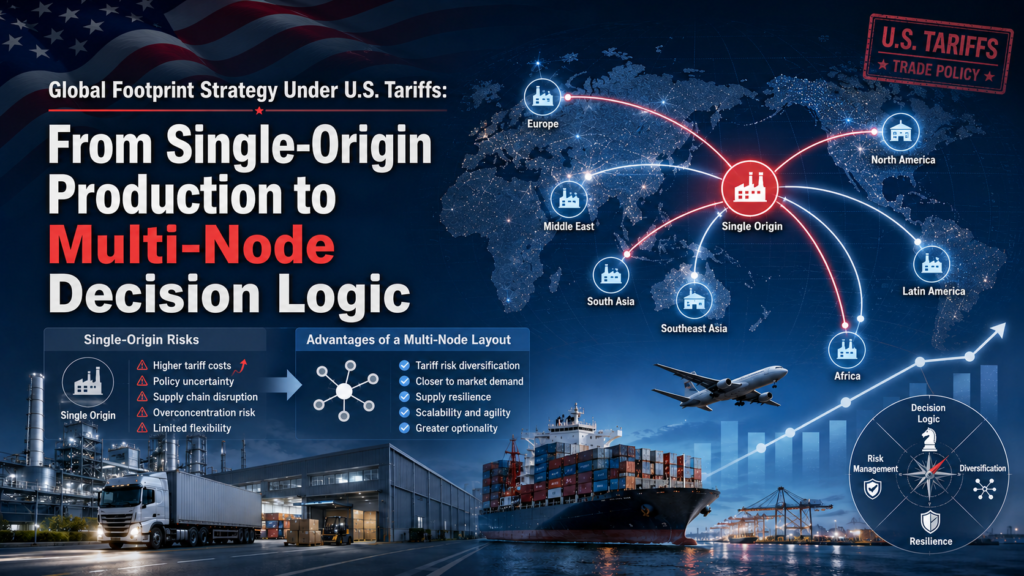
As friction over the US-China trade war continues, manufacturers are actively seeking to decentralize their production and sourcing activities to low-cost countries in Southeast Asia. With this trend, Cambodia, a country at the heart of Southeast Asia, has become an ideal production base. The country’s location in the southern economic corridor of the Greater Mekong Subregion (GMS) and its proximity to Thailand, Vietnam, and Laos make it easier for manufacturers to export to these ASEAN markets, capitalizing on export opportunities as well as opportunities for rapid growth.
The Cambodian government encourages overseas investment by allowing foreign investors to make full investments in most sectors and offering a wide range of investment incentives and tax benefits. The country’s use of the United States dollar as the common currency facilitates local operations and increases the confidence of foreign companies. With the efforts of the Government and the support of international financial assistance, Cambodia has made significant progress in infrastructure development.
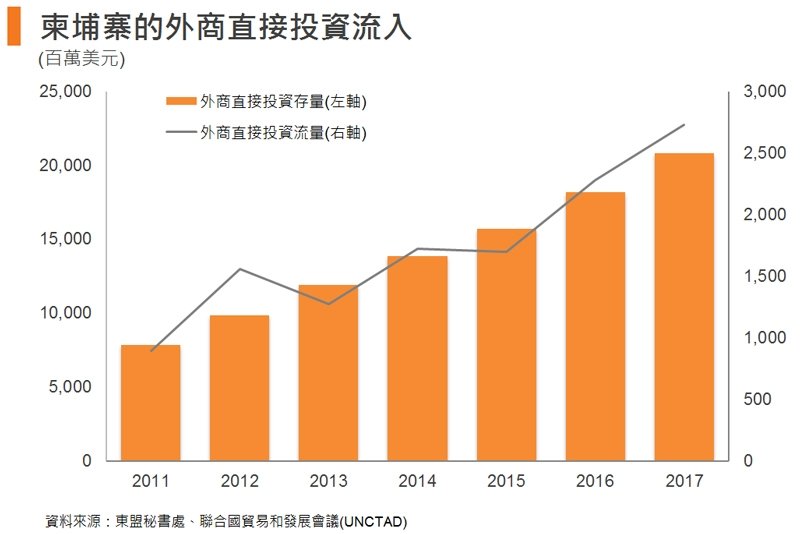
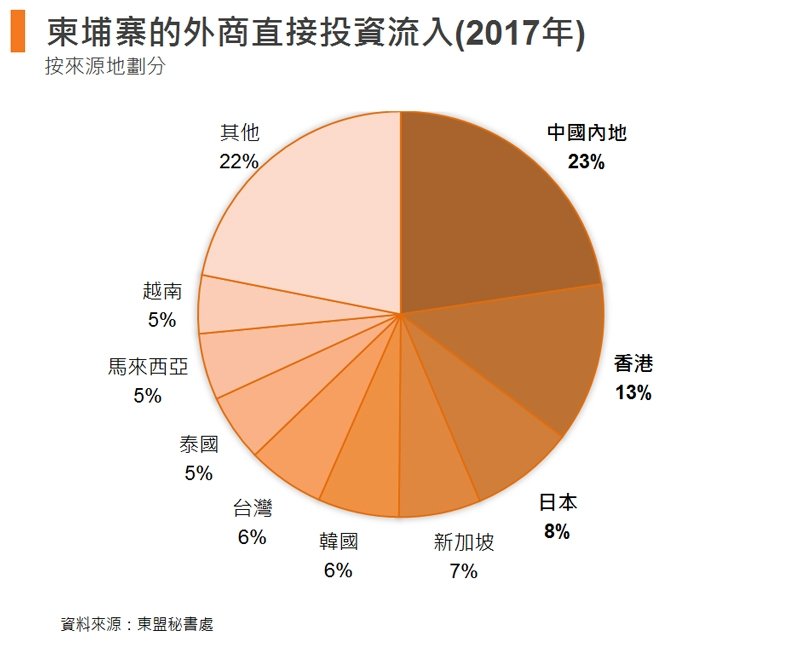
Cambodia’s investment climate continues to improve, attracting an increasing number of foreign investors from inland China, Hong Kong, Japan and ASEAN countries. While labor costs may be on the rise, the country’s industrial sector continues to diversify and integrate into regional supply chains, offering potential for high-value manufacturing such as electronics and auto parts.
Options for manufacturers to invest in their factories
I. Important role and diversified development of the garment manufacturing industry
Cambodia has long relied on the apparel industry as a key pillar of its economy. in 2017, apparel and textiles accounted for 73% of the country’s total exports, much higher than in places like Myanmar and Vietnam. By comparison, textile exports from these countries accounted for about 20% of total exports. However, Cambodia’s garment manufacturing sector has faced rising wages and competitive pressure from other low-cost production bases such as Myanmar and Bangladesh in recent years. In order to reduce dependence on textiles and promote industrial diversification, the Government of Cambodia has implemented the Industrial Development Policy 2015-2025, which encourages investment in high-value sectors such as natural resource processing, information technology and electronic information.
In order to realize its policy of industrial diversification, the Government of Cambodia has established more than 40 Special Economic Zones (SEZs), 19 of which are already in operation, focusing on different industrial sectors. These SEZs usually have good infrastructure and administrative support, and enterprises within the zones can enjoy other special treatment such as import VAT exemption and reduced customs procedures. For manufacturers from Hong Kong, these SEZs are an excellent choice for investment in setting up factories. This will not only help reduce reliance on the garment industry, but also provide more development opportunities for Hong Kong enterprises.
II. Strategic options for attracting manufacturers
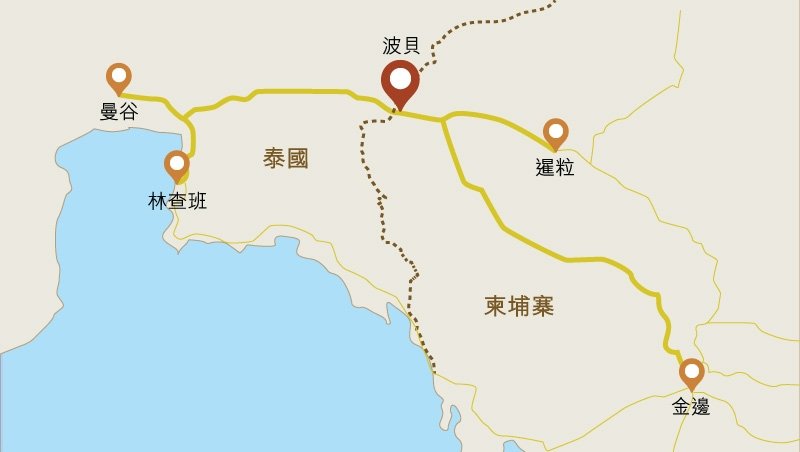
Cambodia has a wide range of Special Economic Zones (SEZs), some of which are located in important ports and cities, such as the well-known Phnom Penh SEZ and Sihanoukville SEZ, and others in areas close to the borders with Thailand and Viet Nam. Due to the high cost of production in Thailand, a number of local and foreign manufacturers have adopted the “Thailand plus one” strategy, actively decentralizing the assembly process to lower-cost countries, including Cambodia. In order to attract foreign manufacturers from Thailand, Cambodia has established three special economic zones (SEZs) in Poipet, a northwestern town close to the Thai border. Among them, Sangkor Poipet SEZ covers 83 hectares and has attracted many Japanese companies in the auto parts and electronics industries, such as Sumisho and Miyuki Electric. These companies have set up production bases in Thailand and have also set up factories in Poipet, taking advantage of Cambodia’s lower-cost labor resources.
III. Future challenges
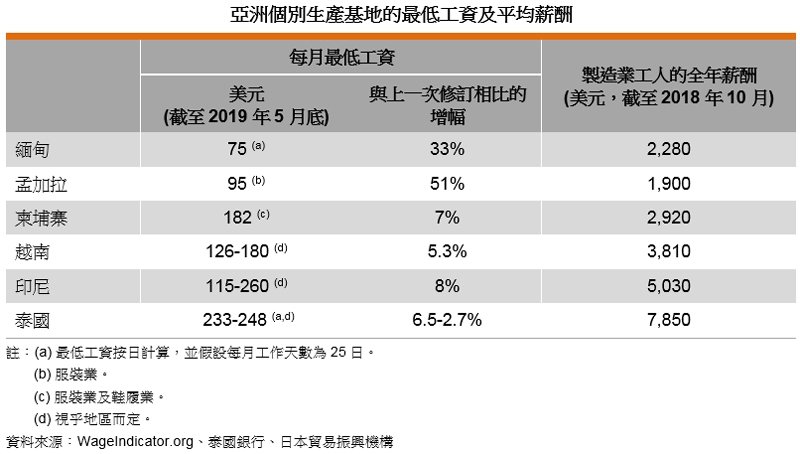
Despite Cambodia’s reputation as an attractive labor-intensive manufacturing base, investors should be aware of a number of important factors when developing in the country. Chief among these is the fact that local wages are continuing to rise, which could reduce Cambodia’s competitive advantage. There is also the possibility that the EU may suspend preferential treatment, which could have an impact on Cambodia’s exports. Over the past few years, the minimum monthly wage in Cambodia has risen from $100 in 2014 to $182 in 2019, a level that has surpassed that of Vietnam, another popular manufacturing base in the region. Therefore, these factors need to be fully considered by investors.
However, in the actual market in Cambodia, wages are much higher than the minimum wage. In the case of workers in the garment and footwear industries, for example, the basic wage (determined on the basis of the minimum wage) actually accounts for only about 65 per cent of their actual income, as they usually enjoy other benefits, such as long-service bonuses and overtime meal allowances. According to a survey conducted by the Japan External Trade Organization (JETRO), the average annual wage of manufacturing workers in Cambodia is US$2,920, which is still competitive with other countries in the region, such as Vietnam, where the salary level reaches US$3,810. Therefore, investors should be aware of the wage situation in the country and consider the overall salary structure.
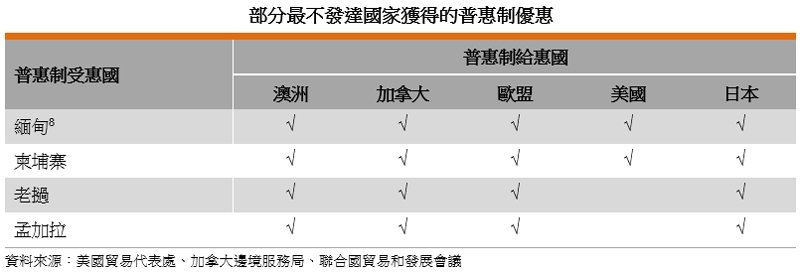
Cambodia currently enjoys duty-free treatment under the local Generalized System of Preferences (GSP) when exporting to developed economies such as the European Union, the United States and Japan, which is an important advantage for the country’s export-oriented manufacturing sector. However, there are human rights issues in Cambodia and the EU is reviewing whether to continue to grant GSP benefits, which could result in the country losing its duty-free treatment. If this happens, Cambodian products will be subject to tariffs, which range from 12 percent for garments to between 4 and 17 percent for shoes. The EU is currently Cambodia’s largest export market, accounting for around 40 percent of total exports. In order to address this risk, the Government of Cambodia has launched the Cambodian Self-Reliance Policy, which seeks to reduce dependence on trade preferences by improving trade policy and customs efficiency.
Wages and operating costs are rising rapidly in China, and many manufacturers are relocating or decentralizing their labor-intensive production activities to regions with lower factory costs.
Wage hikes due to ample supply of warehousing have drawn the attention of foreign manufacturers, especially in lower-cost countries such as Cambodia, Laos, Kampuchea and Vietnam. In addition to the cost factor, manufacturers are also noticing a new trend among overseas buyers and importers to deploy on a wider regional scale, including taking advantage of the supply chain consolidation next door to take full advantage of the specific benefits each location can offer.
Garment industry main driver of Cambodia’s economic growth
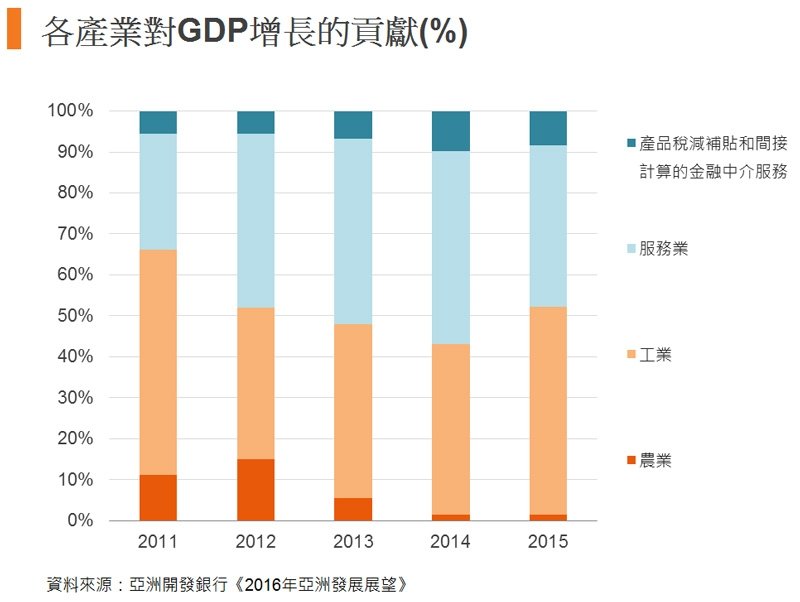
Over the past decade, Cambodia has performed well by adopting the growth model of the Asian factories. Construction and industry, especially footwear manufacturing, have contributed greatly to the growth of the garment industry and the economy. As the country develops, the service sector is playing a more important role in the overall economy, while agriculture is relatively divided.
Investment Opportunities in Cambodia
I. Business environment
Cambodia has been committed to providing a business-friendly environment to attract foreign direct investment. The country has offered many key outcomes, including trade preferences, and has worked to create a favorable investment climate and increase its attractiveness as a manufacturing production base. As of the end of 2016, Cambodia’s business share was 20 percent, which is low compared to the 25 percent of the Dialogue and the Dialogue.
The Government of Cambodia attracts foreign investment and introduces advanced technology by allowing large-scale incentives to increase productivity. Foreign investors in the country set up wholly owned enterprises without restrictions on profits or repatriation of funds. The Cambodian Development Council (CDC) is the country’s main foreign investment promotion agency, and projects approved by the Council are granted tax incentives for up to nine years (including a three-year start-up period, an automatic tax period, and a priority period), while the importation of intermediate goods and the exportation of finished products are subject to tariff quotas.
For small and medium-sized enterprises (SMEs), only a small amount of start-up capital is required to qualify for foreign investment incentives for doing business in Cambodia. According to the CDC, the minimum investment for qualifying manufacturing and production investment projects is only US$200,000 to US$500,000. Among them, the minimum investment is US$500,000 in Manhattan.
According to data published by the World Bank in its Doing Business 2017 report, Cambodia ranked 131st out of 190 economies in terms of ease of doing business, better than Laos and Myanmar, but still far behind Thailand, Vietnam and Indonesia.
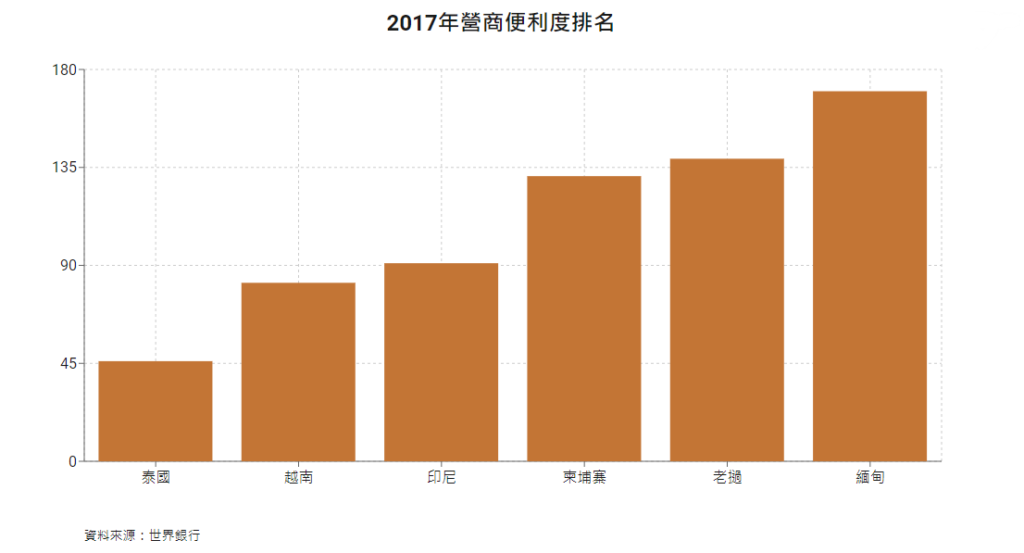
According to the World Bank, opening a company takes an average of three months in Cambodia. In an effort to shorten the length of this process and streamline the procedures required, the Cambodian government introduced a brand new online business registration system in 2016. Although the system still has some drawbacks, such as the lack of other features such as online payments, the business community has recognised the efforts made by the country’s government in introducing an online platform. Through this online platform, the relevant application procedures have not only been simplified, but are also more transparent than the paper-based procedures of the past.
II. Supply chain reorganisation
Considering the rising labour costs and ongoing structural adjustment in China, many domestic manufacturers have been diversifying their labour-intensive production activities to other Asian countries to reduce costs. This trend is known as “China Plus One”. Influenced by this, manufacturers in Thailand have also begun to introduce the ‘Thailand plus one’ concept in recent years. Although the country’s political environment has returned to stability since the military coup in 2014, companies are still facing cost pressures and are therefore upgrading and moving up the value chain or relocating some of their production operations to Thailand’s border areas or neighbouring countries.
III. Rising labour costs undermine Cambodia’s competitiveness
Cambodia’s advantage in attracting FDI over its regional competitors is its low labour costs. However, the rapid rise in the country’s minimum wage has undermined the local ‘low-cost’ advantage to some extent.
By 2017, the monthly minimum wage for workers in Cambodia’s garment and footwear industry was $153, 2.5 times the 2012 level. Industry insiders note that wages have risen to 60-70 per cent of production costs, up from 50-55 per cent a few years ago.
Thailand has been the preferred location for Japanese investors to establish an industrial base in the Central and Southern Peninsula, while Cambodia
It is worth noting that Cambodia has about 30 days of public holidays per year, almost twice as many as Vietnam and Laos, which means that there are fewer working days in Cambodia. When local wages are added to monthly bonuses for hard work, meal and transport allowances, and allowances for overtime work, the average monthly wage is likely to be more than US$200, which is not lower than wages in many parts of Viet Nam.
The Cambodian Garment Manufacturers’ Chamber of Commerce (CGMC), has expressed concern over the rapidly rising minimum wage in Cambodia. Wages in the country are one of the biggest challenges for foreign investors, with many foreign manufacturers complaining of shrinking margins. Regardless of rising wages, Cambodia’s garment industry continued to expand in 2016. According to the country’s Ministry of Labour and Vocational Training (MOLVT), 149 new garment factories opened during the year, but also 141 garment factories closed at the same time, twice as many as in 2015.
Conclusion
Despite the fact that wage trends and labour market developments have not met expectations, Cambodia enjoys trade preferences offered by several major developed countries and continues to attract foreign investors. The country’s relatively stable economic performance and its role in regional supply chains make it an attractive option.
Despite the fact that wage trends and labour market developments have not met expectations, Cambodia enjoys trade preferences offered by several major developed countries and continues to attract foreign investors. The country’s relatively stable economic performance and its role in regional supply chains make it an attractive option.
- 柬埔寨设厂实务须知。香港贸易发展局经贸研究。https://research.hktdc.com/tc/article/MzQ1ODQxNzUz
- 柬埔寨:迁厂机遇(1)。香港贸易发展局经贸研究。https://research.hktdc.com/tc/article/MzgyODg2Nzky
- 柬埔寨:迁厂机遇(2)。香港贸易发展局经贸研究。https://research.hktdc.com/tc/article/MzgyOTkzNzYy